No skip mythology from the kerb. The house names the glass.
Press is one matrix. Midday masonry, a bottle the magnet will refuse, a class on the only readable case — that load has a direction. Put it on the card while supper is still pleasant, or the first metre will shout it for you.
A grocer’s second stamp
Wet ink on Talaat Harb taught more than a sermon about crowds: one press sits. A second blow on the same sheet tears the first. Salmon masonry on the square does the same trick after ten. Arrive before the coaches. Eat on the pavement, not after screening has already spent you.
One complex. A second stamp on wet wax is a smear.
Who names the glass
A kerb story about a faster pin is a different stall. If you want waiting as a product, purchase waiting from the house that printed it. Glare is ordinary Cairo. A photograph of the board still works when the metro kills a tab.
14 Talaat Harb Street · 28 August 2026 · Mostafa Kamel · cool before you lift
Duplicate on wet ink — 8 July 2026
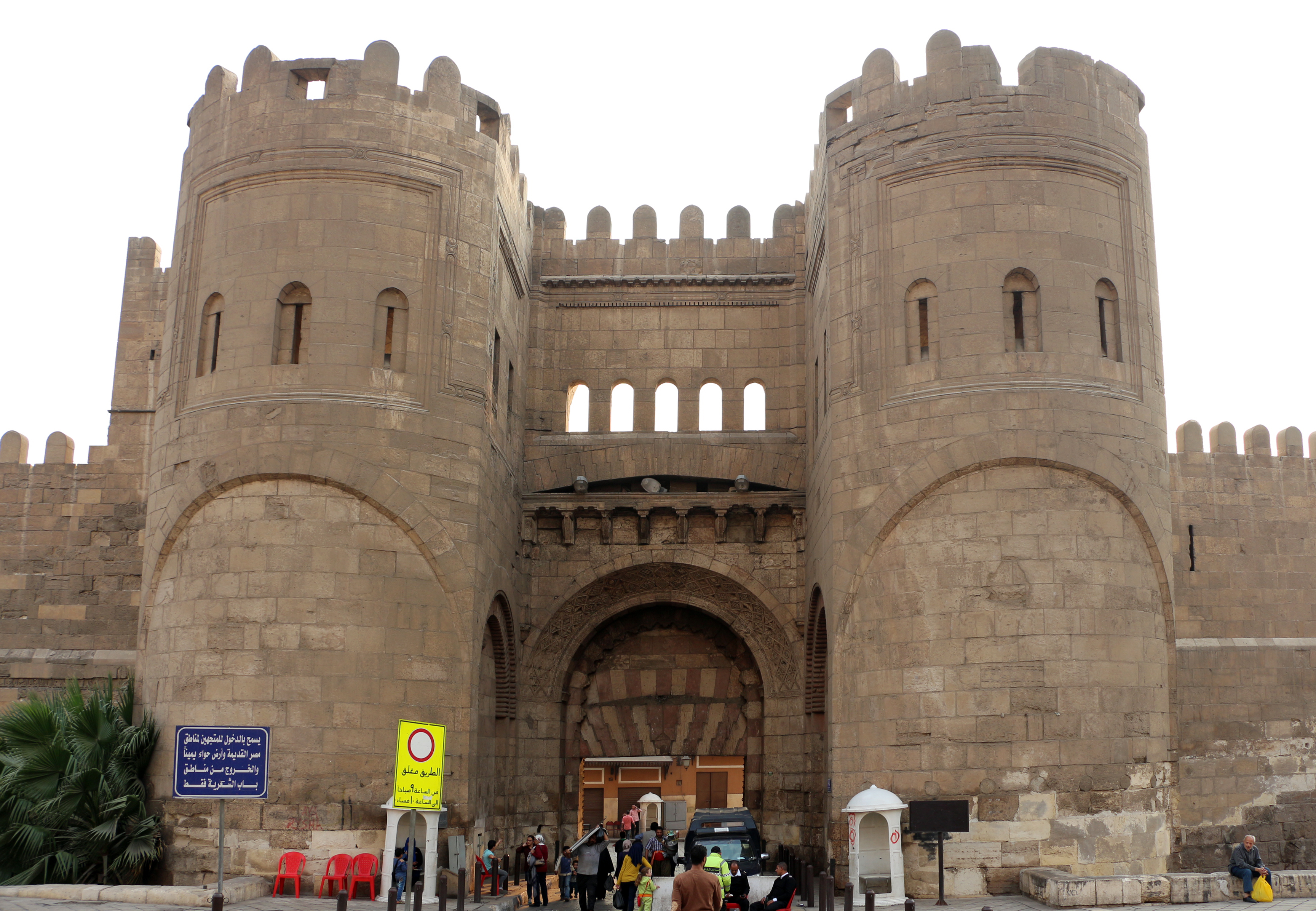
Mostafa Kamel needed a smear he could hold, not a sermon about groups. Two minutes from the desk, a grocer still closes invoices with a rubber die, a pad, and a sheet. They were at the counter at 08:20 with tea, because the grocer talks if you buy something and stay. The first press sat clean. A delivery runner asked for a duplicate. The grocer brought the same die down on ink that had not dried. The first mark tore. The second could not be read. Mostafa photographed the smear against the tea glass. Standing at the counter argued for a third copy. Wax said the matrix had been spent. They pocketed the ruined invoice and walked out. Indoor looking for that week had already been named on 5 July. The arch below is later: Bab al-Futuh as a single opening, which is the same craft in stone — one impression, then stop.
One opening, one impression. The gate is readable from the kerb. It is not a circuit of walls this desk pretended to close.
Load belongs to the hour you actually stand in
Museum press is the same physics as that counter. The load on a morning is whatever ruins the matrix: sun on pale masonry, a queue that eats the hour you bought, water at the magnet, a class in the only bay that still has colour, prayer that remakes the approaches. Mostafa writes those forces on the card before the street starts lying. Arrive at Giza after the glass has gone harsh and the ticket is already a souvenir. Arrive in the Coptic rooms at the same minute as a school and the screen you named is occupied. Arrive Downtown while coaches aim west and the house can feel private until a class files in. None of that is a lecture. It is weather. Change the clock.
A person beside a parked taxi who promises a shorter door is selling a channel the house did not print. If delay is the product you actually want, pay the house for delay. Drink on the kerb. The detector is not a conversation about water. Luggage at the tray is time you donated. A child on hot paving needs a meal before anyone points at a label. An earpiece does not open a circle of school shirts. This desk will not buy an hour that has already cooked in order to look stubborn. Press is a map of forces. Work while the wax will still take a die. When it will not, lift. A puck wasted on glare is heat you refused to name on paper.
The pad has to rest
Anyone who inks paper for a living knows the pad needs an interval. A duplicate is another sheet, never a second strike on wet pigment. Museum mornings forget the interval. They treat a bead that is still glossy as a surface that can take two matrices because the bodies are already on site. Already on site is not an argument. The grocer’s torn invoice sits in a drawer on Talaat Harb because that object teaches the pause: wait, or smear. A class in the only readable bay is not an exam you pass by speaking over children. Move the hour. That is press as a craft, not as a complaint.
Talaat Harb does not hold bodies in a walk-up. We date pages. We do not book queues. Friday around the square is a different city for an hour, then it is Downtown again; an empty photograph from a previous year is not this week’s card. Check the house that week. This desk will not coach a fight with a magnet. Noon masonry is not a stamina trial for a child. If the hour is too much for someone in the party, the morning is already settled: call the house first; do not perform stamina on the steps. The die either holds or it smears. The torn invoice of 8 July is the specimen. One press. Then the pad rests. Then another sheet if you still need a copy.
Warm the stick. Press a single matrix. Let the bead go matte. Then lift it. Staff glass still outranks this street. We will not hang a second pendant on wax that has already set.
From the die
The grocer was already holding the die. Why not a third copy?
The first mark had torn. A third strike would have been stubbornness. The invoice in the drawer is the specimen this page is for.
A kerbside seller promised a faster door.
If the house did not print that channel, you are buying a different trade. Waiting the house sells is the only waiting this ribbon recognises.
May I argue with screening over a bottle?
No. Empty it on the kerb. Detectors do not bargain, and this desk will not coach you to try.
Will Talaat Harb keep a walk-up slot for my group?
No. The desk publishes dated HTML. It does not hold a place in a queue.
Is Friday Downtown still a morning that takes a press?
Prayer remakes the lanes. Read this week’s house, not last year’s empty photograph. Load is geography that moves.